
So far we’ve had Farm-to-Table themed restaurants do battle, we’ve had the Battle of 13th Street, what’s up next? For the next round of the OpenTable inspired Philadelphia Restaurant Week Round Up, we’ve got a heavyweight championship: Battle of the Fine Dining. These three contenders are each very popular restaurants in downtown Philadelphia, and are definitely more upscale than the regular ma and pa dining destination. They have very different styles of food, and they all want to win. I mean, I have no real prize to give them except for my dining dollars….and taste buds. But, I know that deep down they’re just dying to win this fight! First up, is Rittenhouse hotspot Abe Fisher.
Abe Fisher
1623 Sansom Street
Philadelphia PA 19102
 The first thing that I noticed as I walked through the door was the black and white diamond floor— very old school. It reminded me a fancy, art deco prewar building and went nicely with the restaurant theme—foods of the (Jewish) diaspora. It was retro but also cozy. The hip hop music playing as I came through the door contrasted well with the decor, and highlighted even more deeply to show that the restaurant is a modern twist on old world European classics. The menu is made up of small plates, and guests are encouraged to order multiple dishes from multiple categories and share. It’s great for groups and allows for a progressive meal.
 On a side note, the whole block of Sansom Street between 16th and 17th Streets is dominated by the Cook n’ Solo team from Chef Michael Solomonov—Federal Donuts, Abe Fisher, and Dizengoff. Federal Donuts serves fried chicken and donuts—go for the fancy donuts and spice-rubbed chicken and Dizengoff is a hummuseria that specializes in hummus and their daily, changing specials are advertised on Instagram. It’s named after the popular avenue in Tel Aviv. The art deco style in Abe Fisher harkens back to Tel Aviv style and so do the recycled wine bottles used for tap water as well.

The restaurant week’s menu is the same as usual, but it’s available for $35 instead of $39 per person and includes dessert. They also have a happy hour offering $5 mini sandwiches including beef cheek pastrami, foie gras mousse and $7 specials from the section “One” of the menu. I had been meaning to come to Abe Fisher for a long while, so I’m glad that I was able to try plenty of options on their menu. All I have to say is this—the food was so great that I had to come back a second time—the struggle haha. Ok, that’s not all I have to say, obviously, but onto the food!
A few minutes after sitting down, but before putting the order in, I was treated to an Amuse Bouche. An amuse bouche is an off the menu, small bite created by the chef for the night to—literally—whet the palate. It fit in so well with the theme. A malted vinegar potato chip—I assume housemade—garnished with a dollop of dill sour cream and brussel sprout pate. The briny acidity of the the vinegar, which I could both smell and taste, was a punch to the taste buds. The herbed sour cream helped balance out the sudden astringency, and the pate was super smooth and creamy. The brussel sprouts held their own and I didn’t miss the traditional meat of a pate—it would’ve made this bite too heavy, but the chef showed a deft hand with layering flavors, even in a simple amuse bouche.
 Another special treat that’s served most nights with varying flavors are savory rugelach. Rugelach are traditional Jewish filled pastries that are often confused with a cookie, and is often served at Friday night Shabbat dinner tables. It is usually sweet and can come in a variety of flavors, such as chocolate, raspberry, vanilla and traditional cinnamon. When does right they’re absolutely delicious, and my grandmother always had some for a quick nosh at her kitchen table! At Abe Fisher, they are making savory rugelach daily which I love. The Aged Gouda and Black Pepper were very flaky, a bit sweet but still identifiable as a dinner item. They had a subtle spice from the black pepper and the pastry had a nutty, sharp flavor from the cheese. The Bacon, Date and Celery Seed ones looked even more like classically sweet rugelach, but they definitely were not. They were salty, with pieces of bacon studded throughout with the sweet date mellowing out the headiness of the bacon.
 With all these rich dishes coming up, I knew that I’d need a drink of some sort, but wasn’t in the mood for a cocktail—I know, bllasphemy!—so I went with the Maple Caraway Rickey ($3), which was essentially a fancy soda flavored with caraway seeds, which are what give rye bread its distinctive flavor, a simple syrup made with maple syrup, and lime juice; the lime juice is what makes it a rickey and is a traditional ingredient for this kind of drink. It tasted like a sweet and tangy sparkling limeade. It had deep aftertaste from the caraway, which is in the carrot family and left an anise-licorice flavor on my tongue. It was very refreshing, and served as a good palate cleanser in between courses.
 The second I saw that there was Chopped Liver on the menu, I knew that I was going to order it. I absolutely love chopped liver and can eat it by the spoonful. I’ve also been told that my recipe for it is delicious and I can get even the organ-phobic to imbibe this Lower East Side delicacy. Chopped liver is a little heavier than chicken liver mousse and considered a peasant version of its fancier French cousin. When it’s done right though, it coats your tongue, evokes memories of big family dinners, and will make sure you never dispose of those livers inside your bird ever again. This version was creamy, salty, smooth and meaty. The caramelized onions were finely chopped and chilled, but not super sweet. Perhaps they used sherry to deglaze the pan? The picked shallot garnish were cut into big pieces and I used them to make mini-sandwiches with the toasted bread—slabs of thick-cut rye bread toasted with schmaltz (Yiddish, traditional Jewish chicken fat), which was so much better than butter. A nontraditional, but fabulous rendition of an often humble spread.
 It was my lucky night—the chef sent me an extra “One” plate—Hamachi Crudo. A crudo is a dish made from raw fish or seafood, and usually garnished with oil and some sort of acid. The hamachi was sashimi grade, cut into about 1/4 inch thick slices, presented beautifully with blood orange segments, and dressed simply with some herbs, good quality olive oil, and some smoked paprika—one of my favorite spices to cook with—that perfumed the fish and gave it a smoky flavor even though it was still raw. The garlicky almonds provided a nice crunch, and the blood orange lent a hint of sweetness, but didn’t overpower the fresh taste of the hamachi. This dish wouldn’t necessarily have been something that I’d order here. It didn’t initially strike me as very “diaspora”-esque—you could find this dish in a high end Japanese or seafood-driven restaurant, but the subtle smokiness helped me realize that it was probably inspired by the many smoked fish dishes consumed by Jews in the new world and Scandinavia.

One of the phenomenons of the modern diaspora was the rise of the Jewish deli, and corned beef or a Reuben sandwich is one of the most well known offerings that you could order in any delicatessen. Of course, Abe Fisher couldn’t just serve a boring, old Reuben and instead has the Corned Pork Belly Reuben—how bad could that be? This dish was so cute! It was cut into mini sandwiches, served open face, and garnished with picked green tomatoes. I loved that this dish really paid homage to the Jewish deli, but clearly a modern spin—“heymish treif” my grandfather would have said in Yiddish. The toast points had a wonderful aroma from being seasoned before toasting in the oven, the pork belly was super tender with all of its fat rendered—probably absorbed into the bread. Instead of sauerkraut, which sometimes gives you an unpleasant, funky hit they make a briny relish with onions that served a similar purpose to cut through the fattiness of the pork belly. The pork was excellently cooked and echoed so many similar flavors from corned beef that many people probably couldn’t tell the difference. My only critique for this sandwich? The cheese could have been more powerful, it could take it!
 For the next course, and the best one yet, were the Veal Schnitzel Tacos, which were a perfect fusion of two very different cuisines. Clearly, these tacos were meant to emulate crispy fish tacos, and they definitely fit the bill. The tacos were served on thick flour tortillas and garnished with radishes, which I love on my fish tacos for their mild peppery flavor and great crunch factor. The veal was moist with a thick batter crust holding the braised and shredded meat together—not your mama’s veal cutlets! The crispy veal was covered with a lightly dressed slaw—or “health salad,” and the tacos were served with lemon wedges dusted with ground espelette, a variety of red chili pepper, so you could spice up the tacos as you squeezed the lemon juice over the top. When my mom made schnitzel growing up we always squeezed lemon onto the meat when it was still hot, so this was a good nostalgic touch. The anchovy mayo was nice, but ultimately unnecessary, though it did continue the theme. It was slightly sweet and played nicely with the spicy lemon-pepper garnish.
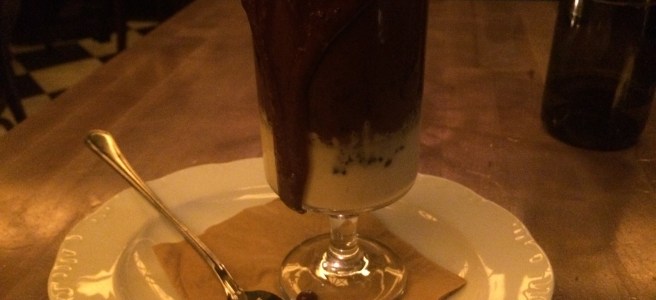
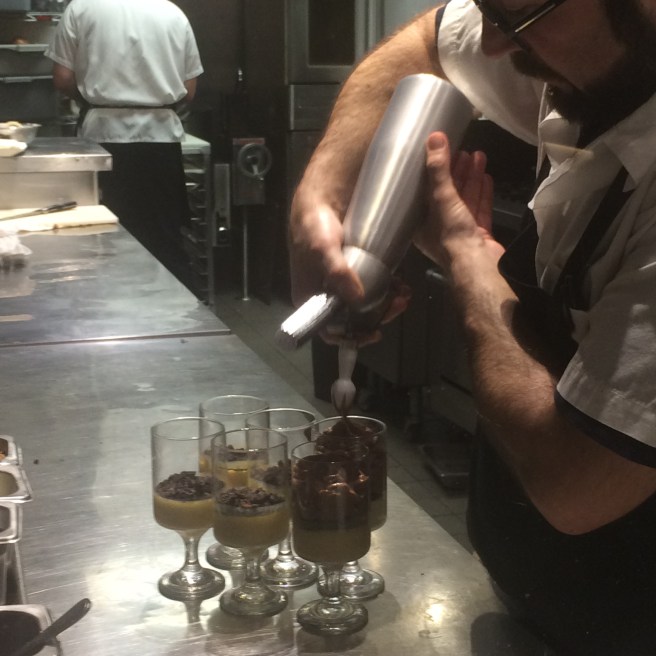
 I had come to the part of the night that I was both most excited and most anxious for: dessert. I had been told that it was absolutely necessary to order the Bacon and Egg Cream, but I was scared—I had so many memories of traditional egg creams on Saturday mornings in my grandparents with a big jar of Fox’s U-Bet chocolate syrup on the counter. Would this version ruin those memories for me? How could they even turn an egg cream into a dessert? And bacon—that doesn’t belong in this drink. I am now a changed man and have converted to the dark side of the bacon and egg cream, and may never go back. When this dessert was set down in front of me, I had to take a moment to appreciate the creativity and artistry that went into this dish. It was served in a tall glass, and almost overflowing like one of the famous Brooklyn Diner egg creams. A long spoon was included, but it wasn’t to stir it up; instead it was to eat—this was not a drink but a full-fledged, contemporary dessert that still incorporates the traditional flavors so I could understand the egg cream concept, but flipped on its head. The vanilla maple custard echoed the milk of cream utilized in old school egg creams, dark chocolate pudding turned into a light and airy foam using a nitro canister is at the same time very decadent and mimics the fuzz you would get from bubbly, seltzer water, and an Oreo bacon crumble to further enhance the chocolate flavor and remind you that this is a modern take on a classic and you better remember! The smoked maple syrup garnish on top—because why not?—was just enough to tie all of the flavors together. After inhaling this amazing concoction, I felt like a kid who’s been naughty for some reason; this was most certainly not the egg cream my grandfather used to make me, but in the best way possible. I could eat three of these…mmmm getting hungry!
As if I weren’t already stuffed enough full of deliciousness, the waiter brought out an extra dessert bite with the check. The mini Chocolate Espresso Blondie was a nice treat with a rich chocolate flavor brought out by the coffee. It wasn’t super soft, which was great, and had good chew from the cookie portion.
 On my next sojourn to Abe Fisher, I felt it prudent to bring a friend so as to taste even more of the available dishes, and I’m glad I did. This time we got to sit at the chef’s table by the kitchen, and it was fun to interact a bit with the chefs. We also got to witness how hard the kitchen works to make all the plates look fabulous and push dishes out quickly to hungry diners—respect. Even better, we were treated to a new amuse bouche. This time the chef prepared a Pastrami Pate served atop everything spiced matzah. The matzoh is classic, old school Jewish—not just for Passover!—and tasted more like a flatbread cracker. The combination together was akin to a bagel with delicious chopped liver from a New York bagelry or having a salt beef bagel in London’s Brick Lane. Yum!
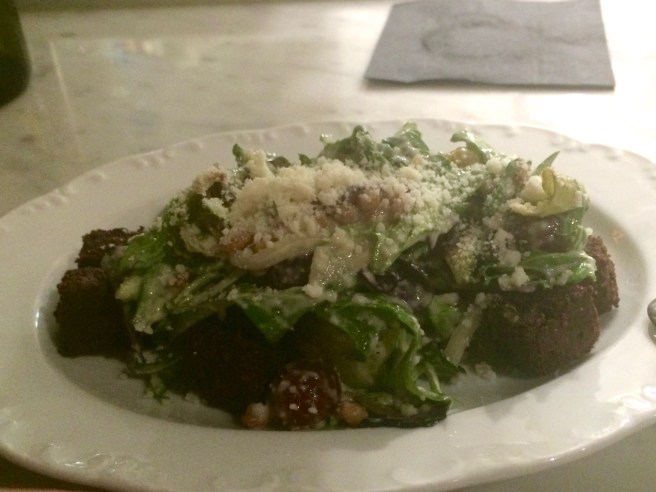 I knew that this would be another super decadent and heavy meal, so we decided to choose one of the dishes that looked sort of light, the Brussel Sprout Caesar. First of all, there were pumpernickel bread pudding croutons—um, yes! Where have you been all my life? Not only were the croutons delicious, but they also served as needed crunch. The salad turned out to be heavy and delicious. There was a bit too much dressing, but that’s like what you get from the cole slaw or deli salad at a delicatessen. The pecorino cheese provided a pungent bite that paired well with the sweetness of the grapes and the earthiness of the brussel sprouts.
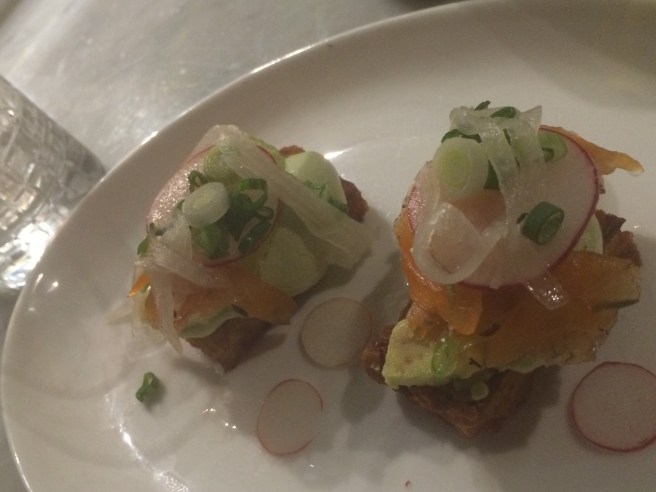 The Potato Pancakes were not like my grandma’s latkes, though they definitely borrowed a bit from contemporary potato pancake flavor profiles. The avocado cream cheese was refreshing, and they interplay of temperatures was great—super crispy, hot pancakes with the cool, creamy avocado, and the smoked salmon provided the modern twist.
 Another reason this place is great—another sample plate. This time the waiter brought us some Smoked Short Rib on Rye, which is incidentally one of the happy hour specials. Though these bites were mini, they weren’t mini on flavor. The meat was fall apart tender with a delicate smoky flavor paired up with creamy, sweet Russian dressing and bright, housemade pickles.
 Up next in our feast was the Venison Carpaccio. The venison was moist and tender, and sliced super thin. The bitterballen or bitter melon was in name only; braised in beef stew, and then fried it was transformed. The horseradish went super well with the slightly metallic meat and fried balls, and gave the dish a nice zip. The fried melon balls were essential to bring some added richness to the lean venison. The textural and temperature contrast between the raw meat and the fried melon was also a nice touch.
 For our seconds selection from the “Two” section, we went with another healthy-ish sounding choice: Spinach Kugel. Kugel is Eastern European in origin and is essentially a casserole and can be made with potato, egg noodles and cottage cheese for a traditional lukshen kugel, matzah fearful and apple for Passover, and many more varieties. This version was spinach kugel bumped up to another level. The cheddar gave the spinach a nutty flavor and played the part of supporting actor perfectly to highlight the spinach as the star. The green jalapeño puree was spicy, but it was a warm heat that didn’t overpower the vegetable. The pie crumble was essentially a deconstructed crust. What a tasty way to eat some spinach—Popeye would approve.
 Of course, one of the cooks saw that we were eyeing the beautifully marbled brisket that he was slicing, so he fed us each a slice. The meat was very delicious, fatty in the best way, and the juices coated the roof of my mouth. Would’ve made the best sandwiches!
 The veal schnitzel tacos had been so delicious and perfect portioned into two tacos that we ordered them again—and they were just as delicious as last time—but for our second “Three” dish we went with the Halibut En Croute, which translates to halibut with a bread crust. This dish was good, but not amazing. The fish was very meaty, and the crust was super crispy, but it was hard to pick up any aspects of the challah bread in it. The romanesco was salty as many Jewish dishes are and had a nice char. The leeks were meh, but how much can you really do with a leek?
 Obviously, we ordered the bacon and egg cream as one of our dessert choices—you’re insane if you don’t—and went with the Babka Bread Pudding as dessert #2. This seemed to be one of the most popular desserts, perhaps only overtaken by the “egg cream,” and watched as it was plated all night, so we had to have it. Soft, flaky and buttery cake was flavored with cinnamon and cardamom that complemented each other nicely. It was served warm from a reheat in the oven in order to better absorb the flavors of the cardamom creme anglaise with an ooey, gooey middle that reminded me of the center of a fresh cinnamon roll. Garnished with tangy-sweet, candied orange peel and a crunchy hazelnut praline brittle this was another dish with a beautiful presentation. This dessert was so so good, and felt like an old-world hug.
 Abe Fisher has amazing food. Period. Even if you don’t go for Restaurant Week, it’s still a good deal. They have great, prompt service, the staff is very knowledgable about the food, and talkative as well. They seem to really care about their diners, and it shows not only in the food, but also in the plating and service. You won’t leave hungry and that’s a guarantee!
Garces Trading Company
1111 Locust Street
Philadelphia, PA 19102

 For most of my restaurant week meals, I try to go to dinner since there is sometimes a more expansive menu and a greater hubbub in the dining room. I decided to venture to Garces Trading Company for lunch though, especially as I had a meeting a couple blocks away right beforehand. Jose Garces, of Iron Chef America fame, calls Philly home, and operates a mini-culinary empire of his own in the City of Brotherly Love: Garces Trading Company, Amada, Volver, Rosa Blanca, Village Whiskey, and Distrito to name a few. Garces Trading Company was one of Garces’ first restaurants and offers an eclectic European menu—from vichyssoise to sandwiches to mussels to macarons. Looking at the menu, it seemed like the restaurant couldn’t really decide what cuisine it wanted to be and decided to borrow from many.
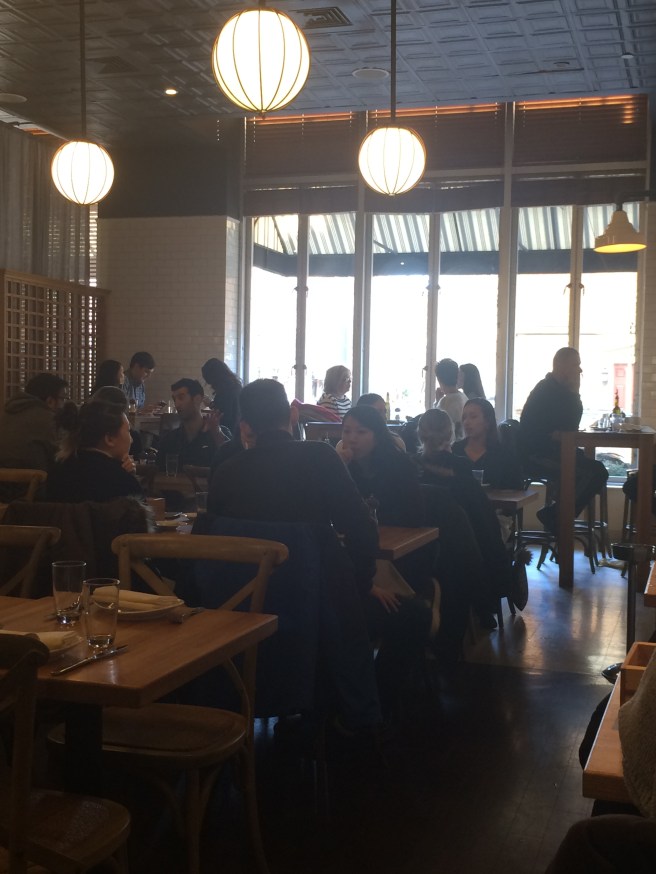
 The restaurant has big, tall windows letting in lots of natural light, and looks like a Paris bistro inside, with large barn doors leading to a wine room, and the dining room was made up of a mix of high tops, regular tables, and communal tables—like an upscale Le Pain Quotidien. In between the entrance and the dining room there are specialty products for sale such as roasted garlic dulce de leech, cranberry pear balsamic, or Sicilian lemon vinegar. If had more time—or money, ha!—I definitely would have bought some of these products.
Even at lunch there is sourdough bread and olive oil for the table. It was a cute bread box, though bread was a bit cold. I wonder if they bake it on the premises? Plus, everything here is branded, even the bottles of oil on the tables. I’m sure they are also available to purchase.
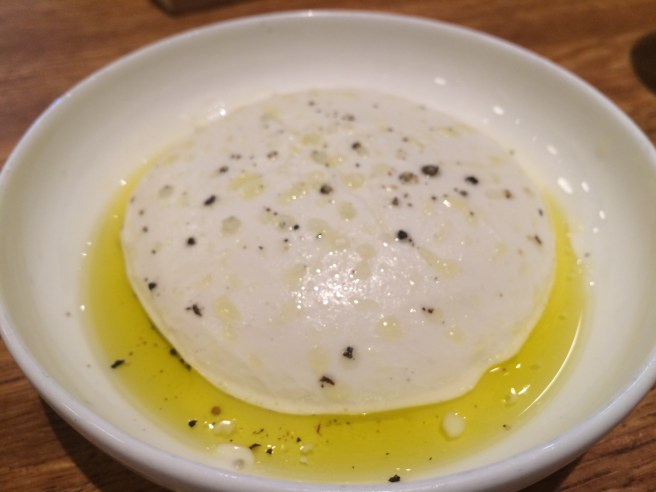 I was really torn between two of the appetizer selections, so I decided to get two and pay the extra few dollars for my extra choice. The apps took a bit of time to come out, but they were both very good. The House Made Mozzarella had a springy outer shell with a softer middle. It wasn’t served cold, but rather room temperature, which probably contributed to the softer center. It was garnished with cracked pepper, olive oil and sea salt. The mozzarella went well with some of the leftover bread, and had a similar texture to fresh mozzarella that you’d get at Di Bruno Bros. or other Italian specialty food store.
 The Vichyssoise Chaud is a French version of a potato-leek soup. This one was very tasty. I could smell the drizzle of truffle oil as it came to the table. The soup itself was garnished with some chopped chives, creamy and perfect for a cold day. Sliced potatoes and cooked bacon added nice texture, but the flavor mostly came from the drizzle of truffle oil. Some of the ham in the soup was super flavorful and added a surprisingly pleasant salt bomb, but some of the ham was just bland. The leeks blended up nicely and the starch from the potato thickened the soup without making it over reduced.

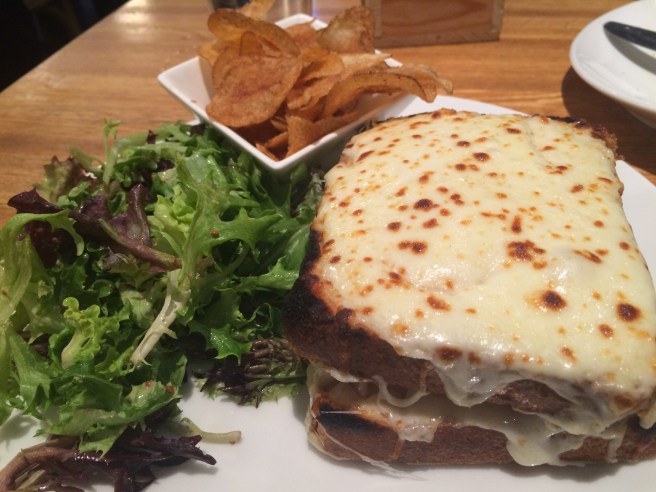 I almost decided to go with the mussels for my main course, but at the last minute decided on the Croque Monsieur, which is one of my favorite dishes. A good croque monsieur is simple, yet elegant—as a jazzed up, French ham and cheese sandwich should be. Unfortunately, I’m not sure if I was there on an off day, maybe I was a victim of the lunch rush, or it just isn’t a dish to order here—it was #disappointing. The sandwich itself made me wish it was a croque madame, since it was screaming for the creaminess of a fried egg on top. And don’t we all want an extra egg on top? When it came to the table, the cheese inside of the sandwich was not melted, and the ham was cold, which was weird because the bread was actually toasted nicely. Instead of that elegance, it felt like a sad version of Texas toast grilled cheese. So for round 2, they brought me a new sandwich after I asked them to reheat the first one. The cheese looked beautifully melted on top, and the cheese inside was mostly melted, but still a little cold in the center. Also, the cheese was okay, but I wish they had used a stronger cheese like a nutty Gruyere or sharp Swiss, and the ham was cut thick and reminded me a bit of breakfast ham. The sides really were the highlights of this dish. The side salad of spring greens was dressed with a simple, but delicious mustard vinaigrette, and the house made chips were great—super crunch and seasoned with citrus zest, paprika and seasoned salt. Overall, it would have been better to order the mussels for my entree—plus I was craving some good Dijon mustard.
 So dessert turned out to be good, but it started out as looking bleak. They were out of the bouchons—petit chocolate cake— so I went with the macarons, because how bad can that be? Then they came back to me that they were out of those as well. Le sigh—very disappointing. How are you out of two desserts at lunch? They gave the excuse that they were out because of a big rush they had, but umm it’s weekday lunch….seemed a little crazy to me. Oh well. They offered a choice of choux puff as a substitute, but I’m not a big cream puff person, so they let me try the Seasonal Verinne panna cotta dessert from regular menu, which ended up being amazing! The panna cotta was perfectly set but not too stiff—creamy as you break in with a mild pistachio flavor. The next layer was some velvety and tangy marscapone that a nice break from the sweetness of the layers. The bottom was a layer of rich, decadent dark chocolate. The deep flavor of the dark chocolate played off the raspberry and candied pistachio garnish nicely, especially with the tartness of the raspberry and the slight saltiness of the nut. While the berries weren’t super juicy or ripe, they worked because the dish needed some acidity.
So here’s the truth—lunch at Garces Trading Place was just okay. It’s very much a place to take a client to lunch, but not so great for a bonafide foodie. Why? The food let me down. Even though the appetizers were lovely and the dessert was very tasty, I left the restaurant remembering my cold sandwich—and that’s never what you want. The service was great, and the staff was friendly, but I’ll need to give this place another visit and I’ll think twice before ordering another Croque Monsieur.
Vesper
223 South Sydenham Street
Philadelphia, PA 19102
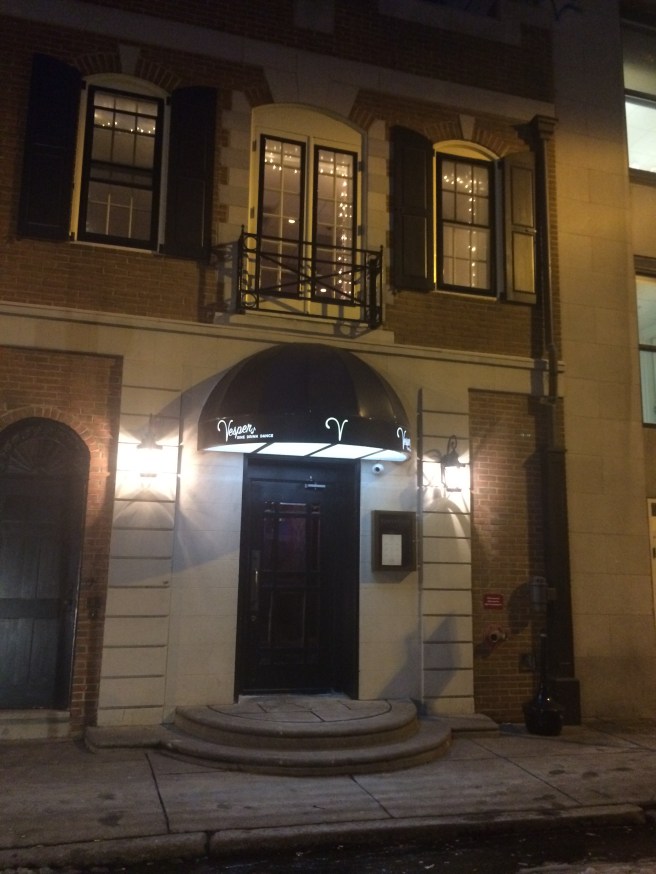 So this place seemed pretty interesting. My research indicated that Vesper used to be a private dining club for Mummers during the Prohibition era, then an eatery frequented by the mob, and not it’s open to the public on the main level, but a password only, speakeasy downstairs. It seemed that the speakeasy aspect harks back to its former life and is really more of a draw for foodies nowadays. The way they’ve revamped it as a supper style club with dancing and paying homage to the Mad Men era of old school dining lounges does bring back some elegant flare to the Center City dining scene.
Okay, while the whole speakeasy, old-timey bar is a bit overplayed—though very hipster chic—the food is really what I came for.
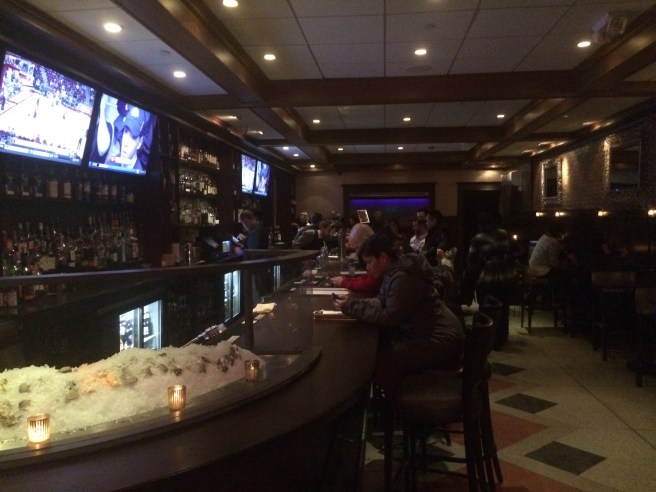
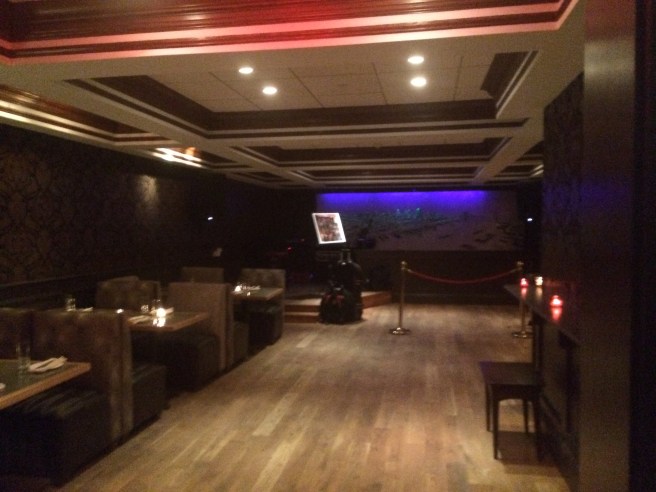 As I walked through the door there was a mix of rockabilly and blues/folk music playing in the upstairs dining room, which fit in well with the speakeasy theme. They were actually partnered up with Jazz Up Philly later that night for some live jazz and blues music, which was a nice surprise. The place was a bit empty when I came in around 5:30ish though. I must have beat the pre-dinner rush. Mini rolls were brought to the table, which could’ve been a bit softer in the middle or warmed up, but the butter was great. It was studded with lots of lemony thyme and woody oregano that complemented the earthiness from the caraway baked onto the rolls.
 I decided to deviate a bit from the Restaurant Week menu and order an extra a la carte appetizer—good thing I brought my eating pants! The Roasted Bone Marrow had a very dramatic presentation. At first I thought that the large bones would mean more marrow, and I was right with the second bone, though the first was meh with the filling. The grilled bread had a wonderful crunch to spread the marrow on. The apricot jam was almost on the verge of being cloyingly sweet, but went well with the fatty marrow and is very traditional. I wished there had been a bit more salt on it, but adding some of the table butter helped season the bite. This was a good dish, but I probably wouldn’t order it again.
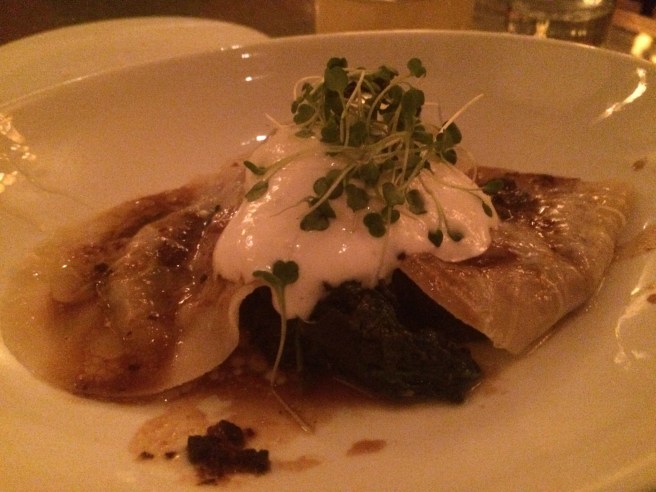
 I have three words for you that will make you have an instant foodgasm: Duck. Confit. Ravioli. Holy mother of yum! This dish had better live up to its name, and it did. The Duck Confit Ravioli featured fresh, homemade pasta that was very delicate, but firm and al dente enough to hold in the meat. The duck filling was amazing! The meat was fall apart tender, fatty and juicy from being cooked in its own fat. The Parmesan foam garnish was subtle in its pungency but also creamy, and added to the luxuriousness of this pasta dish. The spinach wasn’t too liquidy, which was surprising since it was practically a salt bomb—so good technique. (Usually when salt is added to greens, they release water. Spinach holds a lot of water) The salty spinach and creamy Parmesan foam worked together to form an almost deconstructed creamed spinach. Taking a bite of all the components together was wonderful. There was fat, salt, soft, chew, crunch from the mache (lettuce) garnish. It was just a delicious dish.
 Another course where I flip-flopped on my order. I was all set to order the Quail Ragu, but changed my mind at the last minute and went with the Crispy Skate Wing. The duck confit filling probably resembled the ravioli filling from the appetizer, plus the hostess told me it was her favorite as it was very crispy. They seemed to be very into baby cache as it was used to garnish the plate again in this course. The fish was crispy, but I think not as crispy as it could have been because the filets were sitting on top of each other. The fish was firm and not overcooked, and reminded me a bit of a fishy version of a chicken fried steak. The kale was still green with a good crunch, but not super flavorful, and ironically, the fish was a bit on the salty side—I wish they had taken the extra salt from the fish and maybe a splash of lemon and added it to the kale. This was a heavy dish, and the sauce painted onto the plate was sweet and helped a bit to cut through the heaviness of the dish, though I wish there had been more of it.
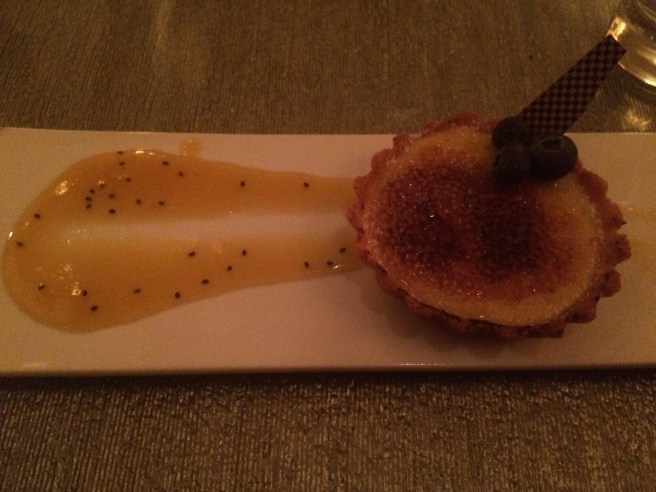 By this point I was pretty full from such a heavy meal, and was hoping for something refreshing and maybe light? Were they saving the best for last? I don’t know what could top the duck ravioli. While the Passion Fruit Creme Brûlée wasn’t what I would call “light,” it was refreshing and delicious. First of all, the creme brûlée passed the all important “spoon test.” What is the spoon test, you ask? Using the back of your spoon, you should be able to give the caramelized top a thwack and hear it crack a bit. That’s ho you know that the brûlée is done right. The fruity and tangy taste to the creamy custard on top of the vanilla base was good contact, and the sauce was very, very tart and very refreshing and zippy from the passion fruit. The interplay of textures in this dessert was also great—crunchy top, creamy custard, flaky tart shell, slimy passion fruit sauce. This was the perfect mini tart—the shell held together but was broken easily with a spoon. It was buttery, but not too sweet, and had wonderful flavor. The blueberry garnish lent a certain earthiness next to the loud passionfruit. In addition, the checkerboard chocolate was an elegant touch, and enhanced the fine dining presentation. Of note: the baking and plating skills of the pastry chef were really on display in this dish, and a lot of thought went into this dessert. The chef chose to plate this dish as a tart as opposed to in a dish, which was brave—they needed to par bake a perfect tart shell, then cook the creme to a creamy consistency without doing a traditional water bath. Timing was key here. Bravo!
 So I think we’ve established that I enjoyed the food at Vesper, but was it my favorite meal of this fine dining battle? I’m not sure. While Vesper had some of my favorite dishes, it also had a couple of plates that were a bit forgettable. Garces, unfortunately, is out of the running for 1st place—even though it came in as a major contender. Abe Fisher had some amazing bites, but was it fine dining enough for this category? I’m going to give this battle to Abe Fisher for its high marks across the board: great service, creative dishes and style of cooking, and a delicious meal (or two). Vesper earns a very respectable 2nd place and had one of my favorite plates of the year in its duck confit ravioli—please wrap me up five orders to go! Lol—and Garces Trading Company comes in 3rd, but deserves another trip. The dessert there was delicious and the apps were both good too, but I know I’ll be dreaming of the Bacon and Egg Cream and Duck Confit Ravioli for days. #HungryForMore!
 Pumpkin
 Pumpkin opened in 2004 with a seasonally changing menu in the early days of the farm-to-table movement’s resurgence in American cuisine. In addition, they are also a BYOB restaurant, which is a wonderful feature of many eateries in the Philadelphia food scene. Both the waiter and runner here were extremely knowledgeable about the restaurant week menu and food in general. I was surprised, but probably should not have been.
 I stuck with my gut and went with the Garganelle Pasta appetizer. The garganelle was almost like penne but wider with a slight curve, and was just over the edge of al dente with a nice bite. The braised pork shoulder also had a good chew and wonderful umami falvor. The hearty and starchy white beans weren’t too buttery, and instead gave the dish some extra thickness. The kale was slightly crispy, but cooked down so it became more of a background note that was lost in the shuffle. The sauce—or broth really—was subtle and absorbed flavor from light dusting of pungent parmesan, and the acidic lemon zest helped cut through the richness of the pork and heaviness of the pasta. It was a great appetizer portion, and a wonderful way to start the meal.
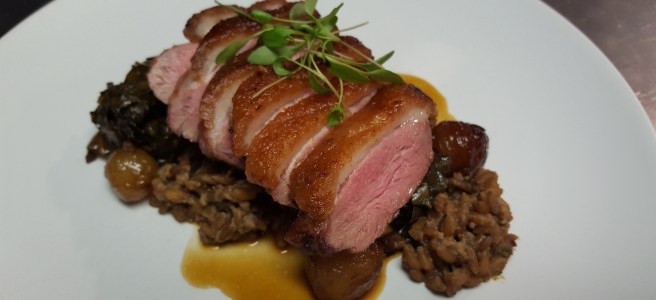
 Up next was the main event—the Long Island Duck. The duck was served over some dirty farro. To make a grain “dirty,” I learned, means to cook it with chicken livers!!—Yum! I am totally #TeamLiver or is it #TeamDirty? Anyway, the chicken liver makes the farro slightly sweet and lends it an unctuous meaty flavor. The sherry, caramelized pearl onions blended complimented the sweetness of the faro and had a slightly acidic, almost pickled flavor to them. They weren’t cooked to death as, unfortunately, many caramelized onion garnishes are, and the choice of pearl onions over traditional slices helped them stay together and provide a nice textural contrast with the slight chew of the farro. The star of the dish was the Long Island duck breast—cooked to a perfect medium rare temperature. It was super moist with crispy skin—though it would have been even crispier if the breast had not been sliced—texture vs. presentation? Either way, it was delicious. As I ate my way through this very luxurious course, there was a building heat that was perhaps form some cayenne in the faro or the braised collard greens underneath the duck, which was smart plating to have the greens absorb the running duck juices. The greens themselves, cooked down with the classic combination of bacon and hot sauce, made for a perfect bite with the duck—slight smoky, salty, sweet and spicy all at the same time. This dish was a wonderful blend of modern creativity and classic Americana, and as the chef is originally from North Carolina, he knows how to cook Southern!
 For dessert, I got the Pot de Creme, which is really just a fancy, French term for a thick pudding. Pumpkin’s version is pretty solid. The creme had a subtle malted milk flavor and took on flavors well, from the very rich chocolate caramel crumble .to the delicious and crunch praline crunch, which was necessary to add some change of texture to an otherwise soft bowl of dessert. The somewhat hidden caramel core in the middle of the cream was a nice secret discovery. #SweetTreat! Surprisingly, the pot de creme was refreshing, and a good way to end a heavy meal.
 Overall, this menu seemed very well thought out, and a good winter meal. A hearty, hot appetizer, a play on a meat-and-grain stick to your ribs entree, and a sweet caramel and chocolate dessert. The to-go packet of pumpkin seeds was a nice touch. Pumpkin should definitely be on your list of places to eat at in Philly, especially for special occasions or for their Sunday night pre-fixe supper—though don’t forget to bring cash as it’s a cash only establishment. Totally worth a trip to the ATM on the way over!
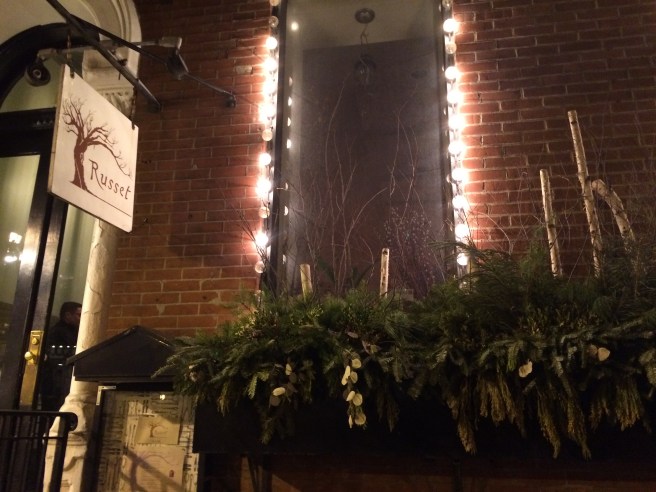 The first thing I did when me and my friend were seated at our table was to ask why the restaurant was named “Russet,” which I had imagined referred to the humble potato and would fit the theme of the farm-to-table and local food movement that the chef favors. I was wrong. The restaurant is actually named for the “Russet” apple…how quaint lol. I still appreciate that the name refers to a natural food, and who doesn’t love a good apple?
 One of the benefits of having fellow foodie friends is that they’ll come to a last minute dinner reservation to scope out a Restaurant Week menu. Plus, I get to try double the dishes as I would have been if I dined alone. Yay! I’m a big fan of pasta in any form, which should have already been obvious to you, so for our first appetizer, we got the Gorgonzola Dolce Ravioli. This was a very cerebral plate of pasta, with nuanced flavors that you wouldn’t necessary associate together, but they went very well in this dish. The ravioli were sitting in a delicate broth flavored from the garlic confit—cooked down slowly into a soft texture—and the garlic got sweet and aromatic. The gorgonzola cheese was not too sweet and also not super tangy—the gorgonzola dolce variety was the right choice with he sweet beets and salty parmesan garnish to complement the cheese. The sweet, soft chioggia beets almost “bled into” the pasta and gave some dark pink color to the (otherwise) beige plate, and the walnuts added a crunchy texture and bite to the dish. The pasta itself was cooked al dente, which was a nice touch as many places make ravioli too soft.
 Our second first course dish was a Green Meadow Farm Duck and Pork Rillette. Lots of thought went into the presentation of this dish. There was lots of negative space on the plate, which I know is a thing, but I’m not always a fan. The frisee lettuce was lightly dressed, and provided some needed crunch and bitter notes to a very rich dish. The rillette was super smooth and lovely, while at the same time allowing the distinct tastes of the duck and pork to be tasted separately. The homemade cracker was a good vehicle for eating, and the mostarda really helped bring the gamy flavors to the forefront.
 We decided on two very different entrees for the main course. The Happy Valley Beef Shoulder and the Seared Branzino. The beef shoulder was expremely tender, but still maintained a level of chew so you still knew it was beef. The tomato fondue garnish acted almost as a chutney and coated the beef with an acidic sweetness. It was very rich, and almost certainly had copious amounts of butter—I approve! The charred cabbage made for nice plating. It was braised as well, but held together. The polenta underneath was very creamy, but also a little too salty. Otherwise, this was a delicious and super creative dish—it screamed to me as an elevated play on cabbage and beef.
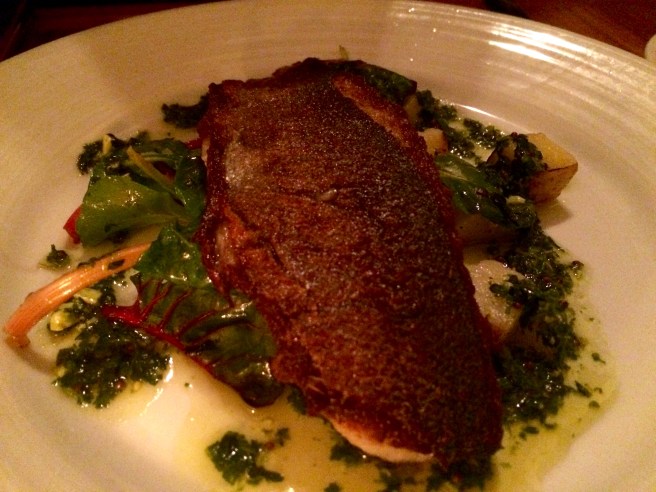 The Seared Branzino was also a very composed dish. One of the ingredients listed on the menu, “bintje potatoes” was a mystery to me, but they were really just normal potatoes in the end. The potatoes were cooked well—as they usually do—and tasted even better when eaten with the salsa verde that not only gave the dish some freshness, but also served as a seasoning. I especially loved all of the fresh herbs in the salsa! The skin on the fish was super crisp—perfectly executed!—and was a substantial portion size. The onions, though, were sort of lost in the shuffle. Although the dish was pretty simple, it was very delicious.
 We decided to forego the sorbet option, and ordered the Local Ginger Cake and the Preserved Apricot Tart. The cake was very petite, and surprisingly moist—many ginger or honey cakes are often dry and crumbly. The pastry chef here is certainly up to par, and the cider sabayon cream was a nice edition. While the sabayon was technically perfect, it didn’t have enough of a citrus flavor. The cider, especially, helped highlight the ginger flavor of the cake. The tuile was meh in taste, but good textural contrast and added some height for a classy presentation. The caramel apples provided some much needed sweetness and slight tartness, though I wish it had a stronger caramel flavor.
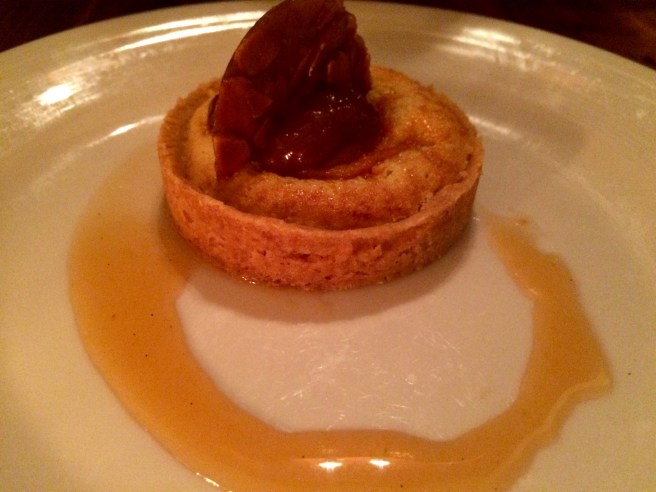 The Preserved Apricot Tart was our favorite dessert, hands down, though that’s not to say that the ginger cake wasn’t tasty as well. The tart’s crust was super flaky—again excellent baking technique—and the apricot filling was delicious! The frangipane was creamy, custardy and had great almond flavor; it wasn’t too sweet, and just tangy enough. In addition, the plating was extremely beautiful.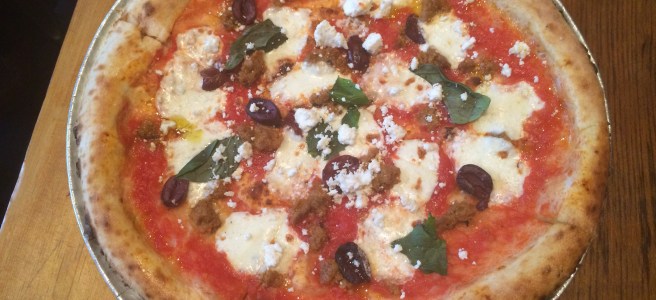

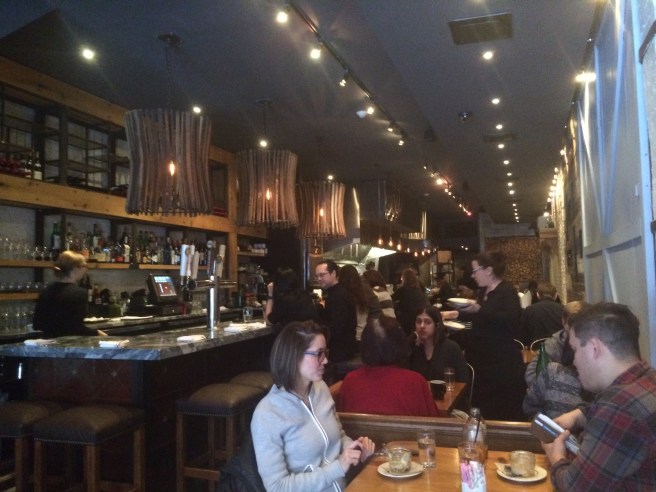
 My reservation was for 1:45pm and I got there a few minutes early and immediately noticed that it was pretty busy even though it was only lunchtime. I’ve noticed in Philly that so many people go out for lunch, and places get even more crowded than during the dinner rush on some days. Although it wasn’t that busy for a Monday afternoon, it was noticeable—it might have also been due to the narrow, deep layout of the restaurant’s interior that is typical of many Philly food spots. The inside had a hip vibe with metal chairs, cozy table setups including square of old menu used as paper decoration for some of the plating, track lighting and lots of wood—maybe this was an homage to their eponymous wood oven? The interior did seem a bit on the dark side, but my table was near the large front window so there was tons lots of natural light.
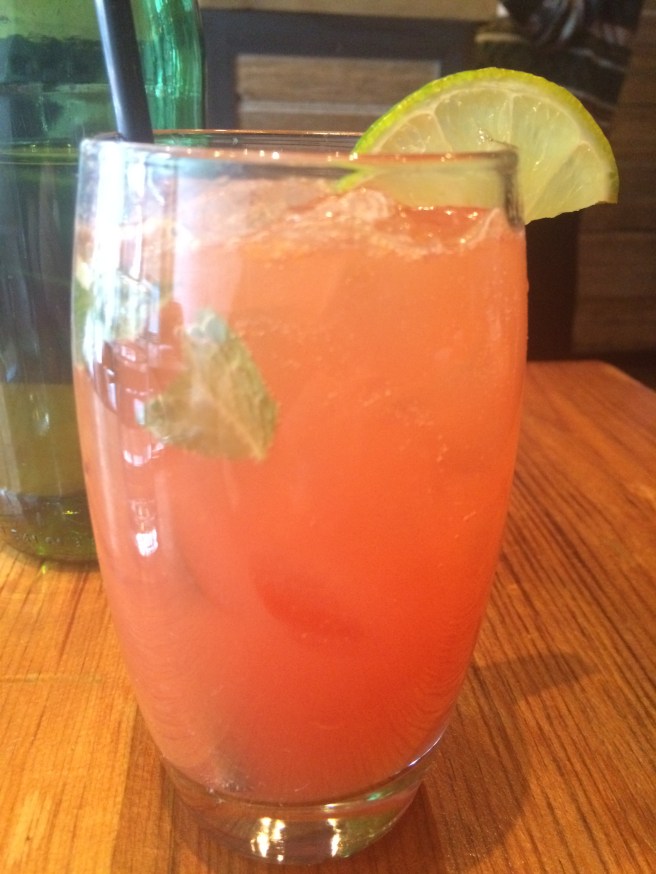
 The Sheep’s Milk Ricotta appetizer was plated beautifully. It almost seemed as if there were ricotta mountains and the balsamic vinegar acted as the valley or river running through. The ricotta was super creamy and smooth and whipped with fresh herbs, and garnished with good quality, fruity olive oil and acidic balsamic that brought out the natural sweetness of the ricotta. It was plated with some grilled bread that was hot and crisp on the outside, but chewy and not too hot in the middle—side note: I had visited a few places the week before (See next post!), and I had been waiting all week for someone to give me hot bread. Thank you Barbuzzo for anticipating my primordial desire for bread and fire. The cold ricotta spread on the warm toasty bread made for a good temperature contrast as well.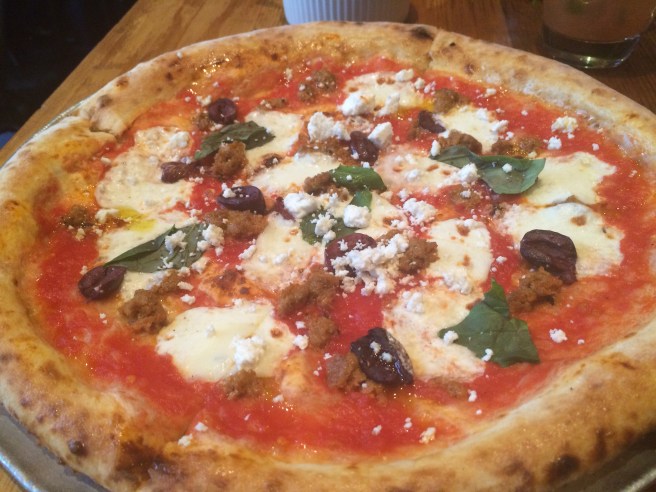
 Up next was the Salsiccia Pizza, which I have to admit I was the most excited for. I mean come on—how can you not order a pizza when there’s a wood burning oven?? As they brought the pizza to the table, the first thing I noticed was the smell of the fresh basil, and the herbs baked into the fennel sausage. The second thing I noticed was its size: it was huge! I can definitely eat a lot, but I ended up taking one of the generous quarters home (Hello midnight snack!). The crust was chewy with a slightly crisp at the edge, though I wish there was a little bit of char. It was definitely browned on the bottom though. The addition of the chili oil and fresh oregano garnish served table side was a nice touch and helped highlight the flavors of the pizza toppings. The taggiasca black olives were pungent salt bombs of flavor—you can tell these weren’t from a can—and the tomato sauce was still very acidic in a way that played well with the brininess of the olives. The salty pecorino cheese crumbles contrasted with the subtle meaty and earthy flavors of the sausage. The smoked mozzarella blanketed the whole pizza in cheesy goodness and was strong enough to stand up to the other flavors.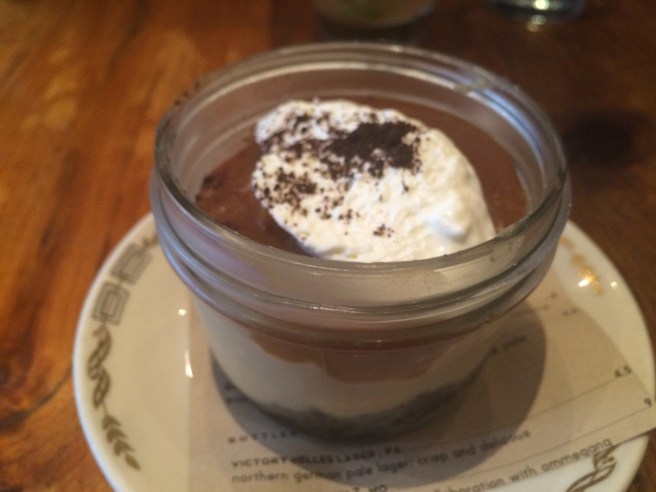
 For dessert, I honestly wasn’t sure what I was expecting. I have a friend who tells me that the Salted Caramel Budino is his favorite dessert in the entire city. High praise considering such confectionaries as Beiler’s Bakery, Franklin Fountain, Scoop DeVille, Magpie Artisan Pie Boutique, and more, are all within about a mile of 13th Street. However, I was still worried—what if dessert isn’t as good because it’s restaurant week? Maybe they’re just going to serve something unpopular or that they over-ordered. My worry was for naught—the Salted Caramel Budino was glorious. It’s served in this cute little mason jar, and it actually is a great way to prepare a lot of these bad boys ahead of service. The vanilla bean caramel is so good it’s honestly like crack—I could eat it by the jarful. The vanilla bean gave it a slight floral taste and the sea salt just took it over the top. The unsweetened whip cream is a good choice since the caramel is so sweet. The word “budino” actually translates to pudding, and while the pudding layer underneath was also tasty, but really just a vehicle to shovel more of the caramel into my mouth. The dark chocolate crust is sort of drowned out by the other layers, but still lends the dish a bit of crunch and texture—just enough to know its there, especially towards the bottom. Plus, over time the chocolate layer absorbs some of the cream and softens up, allowing the flavors to intermingle. This dessert was amazing!


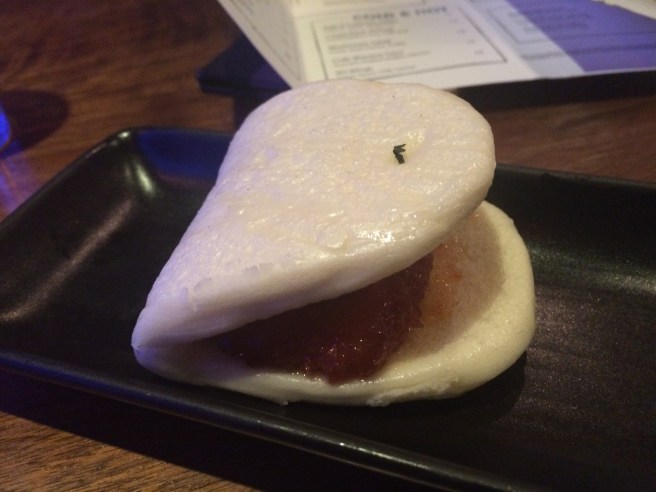
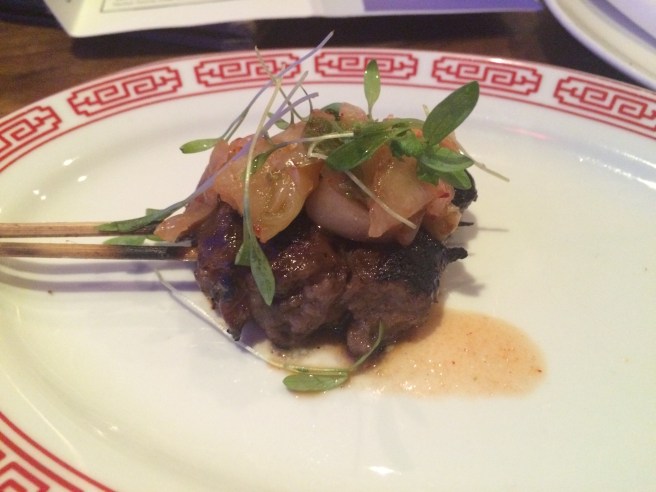 First up was the Pork Bao Bun as the Small course—point of fact: the starter dishes were really small and it was tortuous to just have small tastes as I sat there at the chef’s table seeing the food being prepared. The steamed bun had a nice chew and the thinly sliced shallot and fresh mint were visible as I folded it open. There was a substantial and thick slice of crispy, fried pork belly smothered in a sticky and sweet sauce. This tasted even better to me with a squirt of sriracha sauce. The flavors were traditional for a porn bun, but I only wish it came with more than one on the plate. The Satay course of Korean BBQ Beef arrived, and though it smelled great it too was small—really small. The kimchi topping was flavorful, if a bit sharp together with the ginger. The short rib meat was very tender and fatty with a heavy dose of Korean soy-based marinade. It was cooked rare and the marinade helped keep the beef moist. Very tasty, but again, I just wish there was more of it.
 The Crispy Spicy Shrimp was more on the hot side of the Cold & Hot category—mostly in temperature. In actuality, I had hoped for an extra meat or fish dish in place of this category, but wasn’t allowed. A generous portion of rock shrimp were plated up in a bowl, which kept the dish hot, and also made for easy mixing of the shrimp with the garnishes and sauce. The chili aioli had a creamy taste and a little bit of spicy, but I like very spicy Asian food so added sriracha. The batter on the shrimp was nice and thick, and kept the shrimp, which were perfectly cooked, juicy.I loved the crisp edges of the fried shrimp. The picked radish garnish was a nice relief from the heavily battered protein and a needed acidic kick. Even though rock shrimp are not as meaty as say big jumbo shrimp, they were tasty and allowed the kitchen feel comfortable giving a bigger portion.
 I have a confession to make; I am addicted to duck. I just love the deep red meat headiness in the guise of poultry. It bastes itself in its own fat, and has amazingly crispy skin when cooked right. So, when I saw Sampan’s version of Peking duck on the menu, you’ve got to know that I’d order it. Pekin Duck was presented with all of the classic fixings of a Peking duck meal—a small bamboo steamer filled with soft buns that had been heated over a grill, with Some of the buns even had char marks, which I love. A second plate contained the rest of the components: a good number of duck breast slices—crispy skin included—with all of the traditional garnishes. The thinly sliced scallion provided a bit of crunch, the duck was fatty and juicy, the hoisin sauce sweet and sour, and the julienned cucumber helped cut through the richness of the duck meat. This might have been the perfect dish for me. It was plated nicely, had a good amount of food, and was interactive in just the right to echo the classic Peking duck presentation.
 Around the same time, the extra large Duck Fried Rice emerged from the kitchen. The other dishes might have been small, but the Duck Fried Rice was really big, though this shouldn’t have been surprising since rice is a cheap dish to make I saw them plating up the Pad Thai side too and it was equally as big. It had a decent amount of meat throughout the dish and went really well with the meat course. I ordered it with an egg on top because why not? Sunny side up eggs on rice dishes always make them better. Duh! The server mixed the egg into the rice for me—nice touch— and the yolk really helped bring everything together. The soft, fat coated rice—combination of the duck and yolk—thinly sliced and spicy chilis, and salty bite from the duck skin gave this dish some interesting layers of flavor and made it a very comforting bowl of food.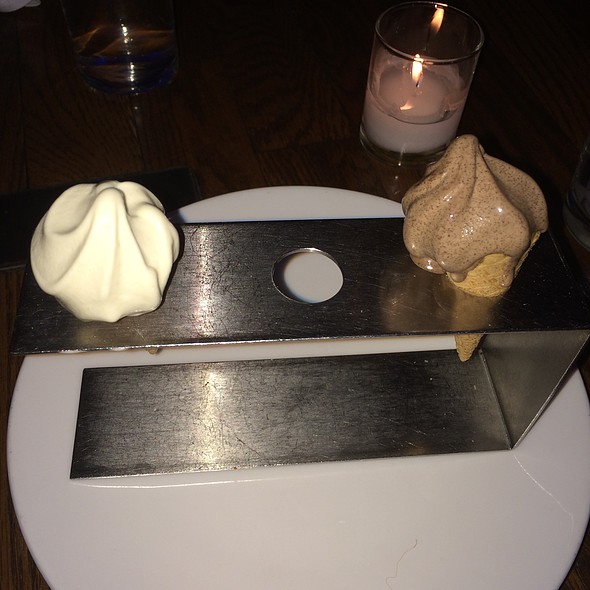
 Most of the food at Sampan was tasty, but throughout the meal I noticed that there was not as much interaction as I would have thought. Even sitting at “chef’s table,” no real attention was paid to me. At other restaurants, the kitchen staff would interact and at least acknowledge, but here it’s almost like I was invisible. Reinforcing this belief was the fact that my waiter stopped by once—maybe twice for super short visits. At one point, after the check had been dropped off, someone else was coming over and I thought, “hey, maybe he’s coming to talk to me, and see how the meal was, what I thought of the food, etc,” but I was wrong. He was just collecting the little sriracha squeeze bottles. Before leaving, the waiter gave me the spiel about thanks for stopping in, hope to see me again blah blah but that too was very rushed—I felt like an afterthought. The food here might taste good, but the service is just not that warm.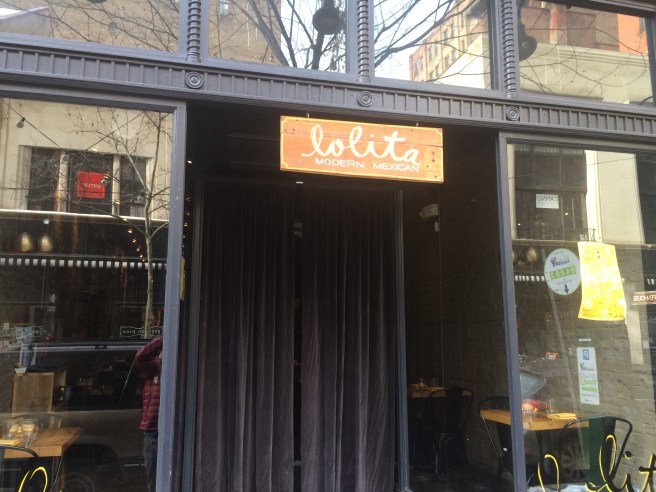
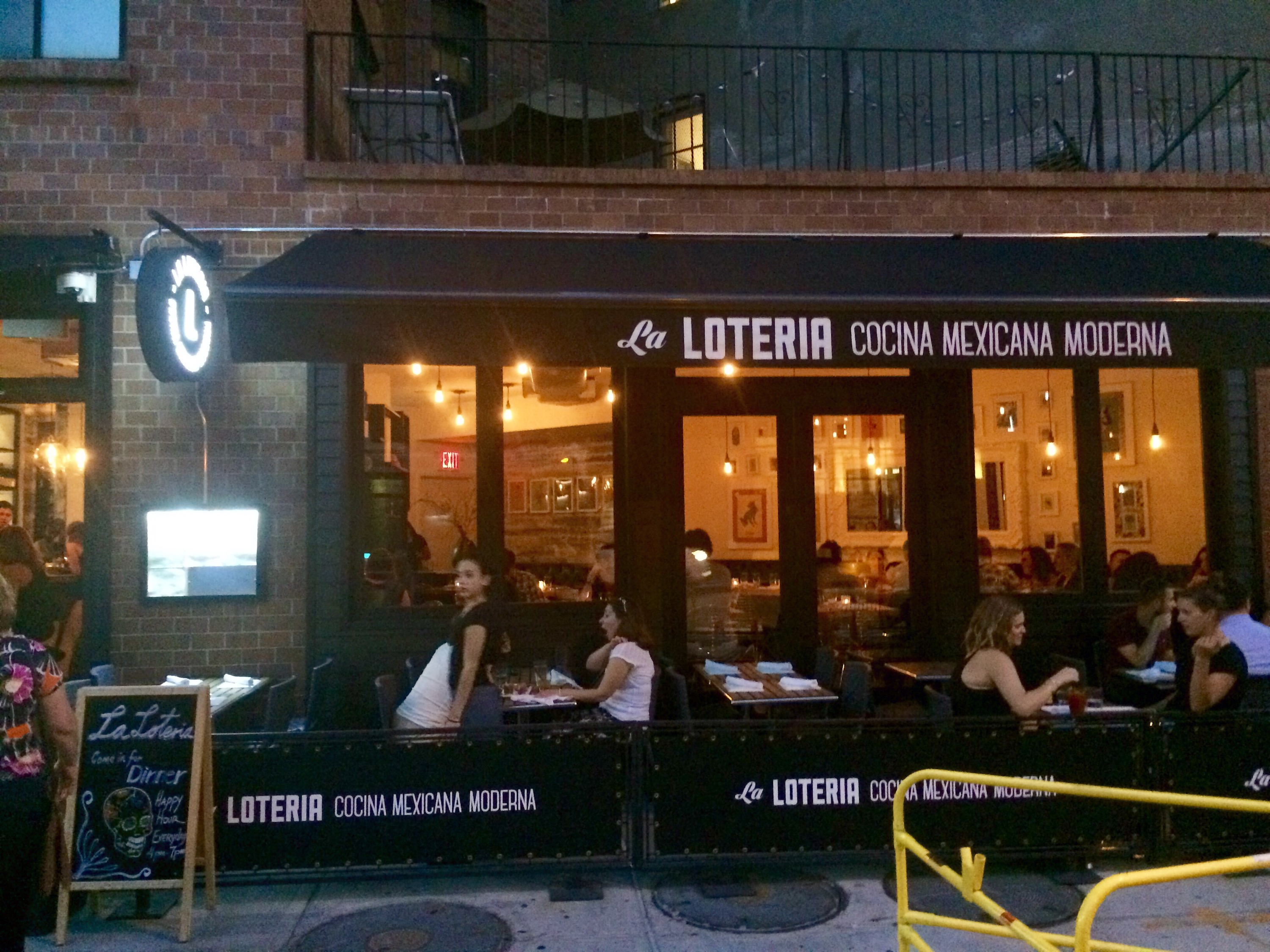
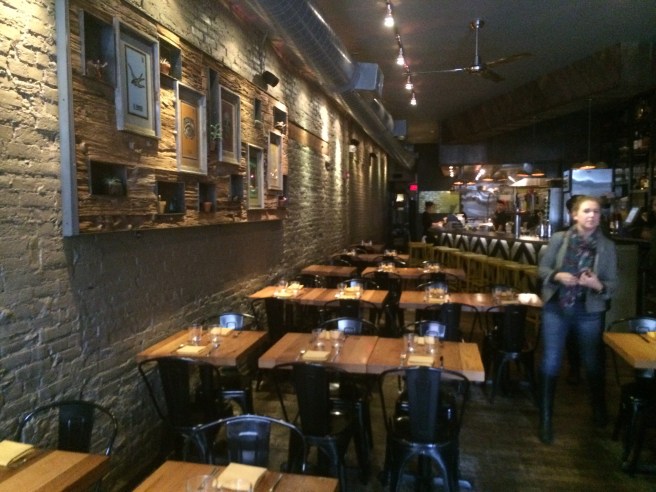 Strangely, Lolita was practically empty except for two people seated at the bar when I came in around 1:30-ish, but I was told that the big lunch rush had just left, which I can definitely believe since I’ve walked by around lunchtime and it’s been bustling—especially at the sidewalk cafe when it’s warm. I got to sit anywhere I want, thought, which was awesome, but I didn’t see my waiter much over the course of the meal. Sort of thought I’d have more one-on-one time with an empty dining room. Also, I was kind of hoping for some sort of non-alcoholic specialty drink, but the only aqua fresca they had was blood orange mint flavor, which was remarkably similar to the drink I had at Barbuzzo the day before. It was tasty the previous day, but I didn’t want a repeat, so kind of a creative disappointment. I wish that there were more flavors or maybe even something like a horchata or pineapple based drink. Just something nonalcoholic that I could sip on for a bit. Oh well, I was really here for the food anyway.
 Lunch began with the Pork Carnitas Tostadas, which were great. The pork itself was a touch smoky and slightly sweet from the canela orange glaze. The pickled red onion might have been hidden on the plate, but emerged as I bit into the dish as a great counterpart to the fatty pork. The little bit of bark on the outside of the pig was very much appreciated as well—it really carries such a concentrated flavor bomb, and also heightened the already beautiful presentation. The crispy tostada on its own was flavorful and had a powerful crunchy factor that held up well under the heaping toppings. The orange and jicama in the salsa lent a fruity brightness, and not only helped highlight the natural sweetness of the pig, but also brought out the spices even more.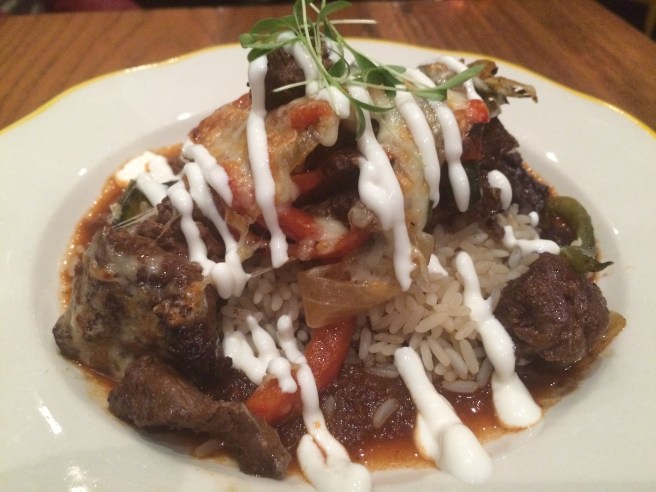
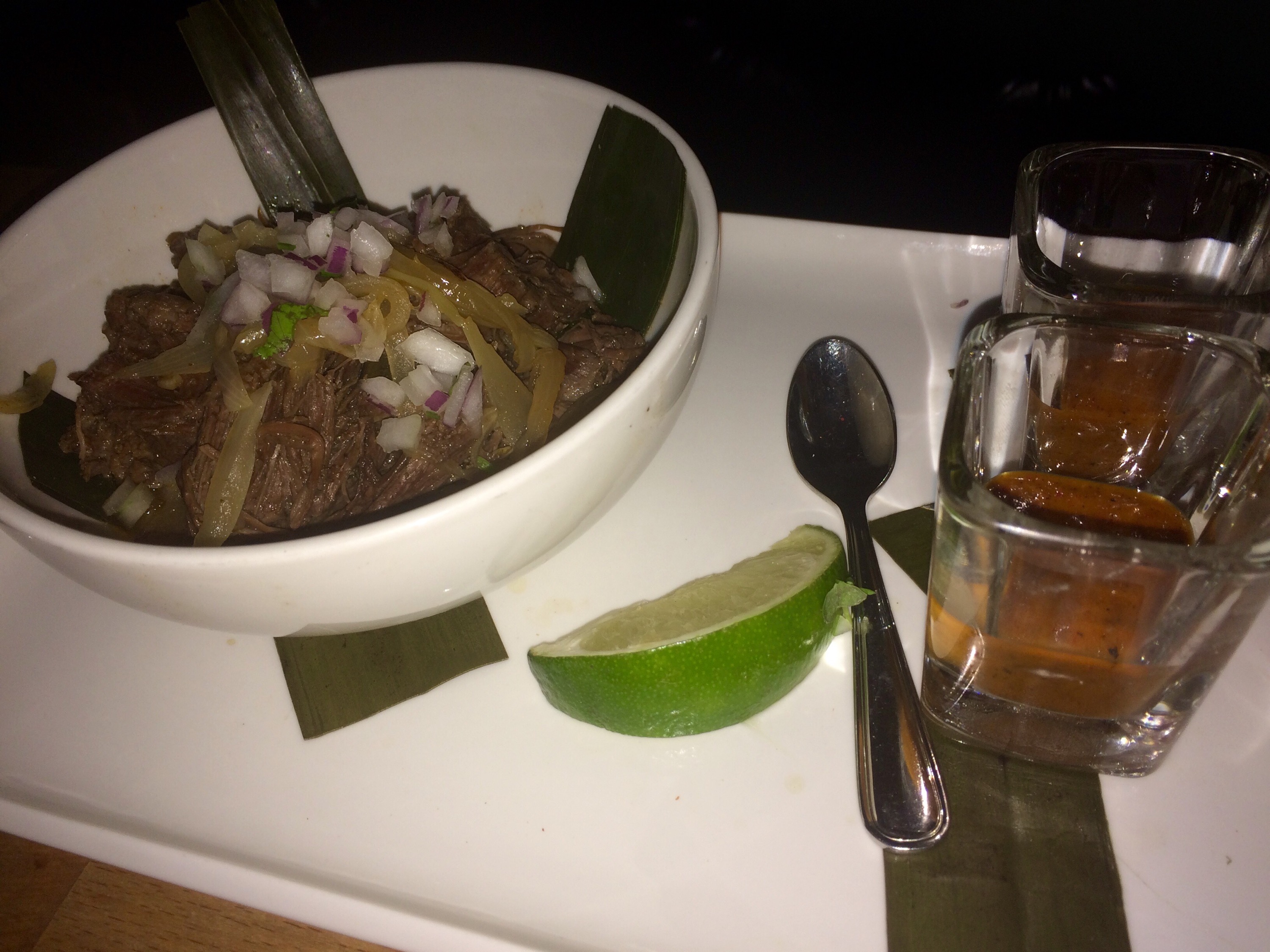
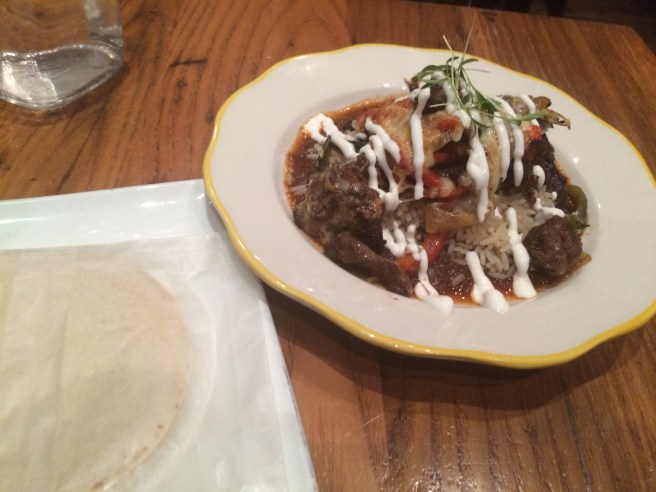 The Morita Chile Rubbed Filet Tips came with a small mound of hot corn tortillas in wax paper, which seems very traditional but also playful to me. While the beef was cooked well, it wasn’t as tender as the pork. The poblano peppers, along with the chipotles in the salsa and the morita chiles in the rub gave off a soft, lingering heat that built as time went on. The tortillas and creme helped cool it down. The beans were super flavorful—meaty, salty, fatty, smoky—Yum! Some of those black beans in an enchiladas dish would’ve been delicious. The cheese was nice for presentation, but it I basically ate all of it in one of my tacos. I wish it was a little stronger in flavor, and the rice, while tasty, wasn’t super necessary on the plate.
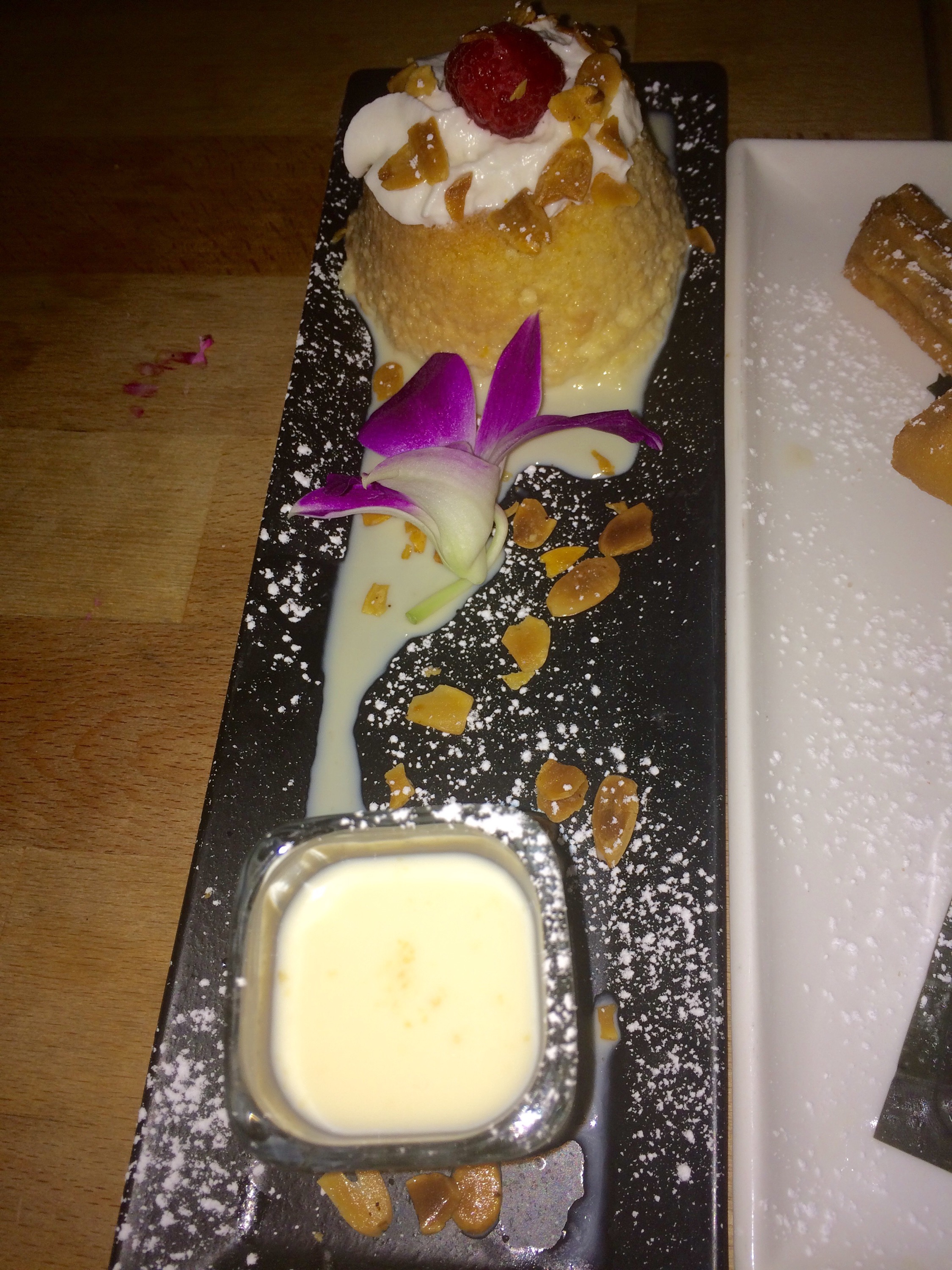
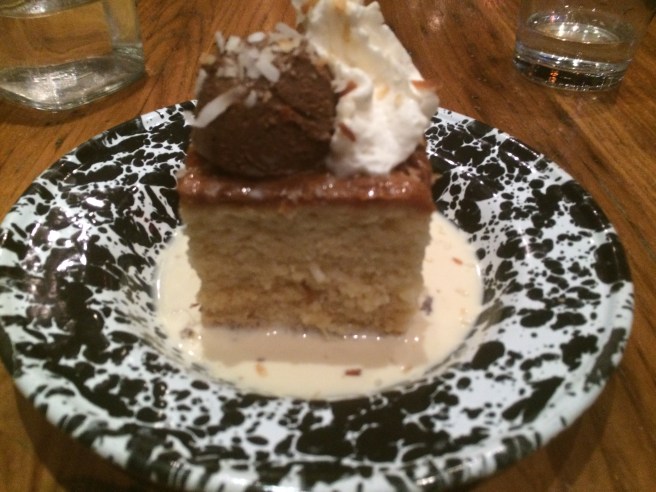 After a very Mexican meal, I went with what sounded like the most authentic offering: the Coconut Tres Leches. As soon as this dish came to the table, I knew that a lot of thought had gone into not only the taste and flavors of this cake, but also the plating. The bowl almost resembled a cow’s skin, which can only be an homage to the tres leches or three milks. The cake itself was warm and sitting in additional sweetened milk, and had flecks of coconut throughout. Though it was moist in the middle. it wasn’t wet like I’ve come to expense from many tres leches cakes. The warm cake was able to absorb more liquid to prevent any drying out from the milk in the bowl—so many more cakes should be served warm, it just makes them better. It was garnished with some shredded coconut whipped cream and a chocolate pot de creme plated like a truffle atop the cake. The pot de creme was made with Mexican chocolate, which has a slight cinnamon flavor, and is not as sweet as milk chocolate so it complemented the super sweet cake. The texture of the coconut also provided a good change of pace from the soft chocolate and crumbly cake.
 Lolita serves up delicious and modern takes on classic Mexican flavors in a chic urban setting. Great spot for lunch, but would’ve been even better at a time with more hustle and bustle.
 Opened in 2012, Jamonera is a Spanish restaurant and wine bar known for its tapas, charcuterie, shareable plates, and extensive selection of sherries in a cozy and intimate atmosphere. I had only dined here once before for brunch, and it was delicious, so it seemed the perfect place for a late night, midweek dinner.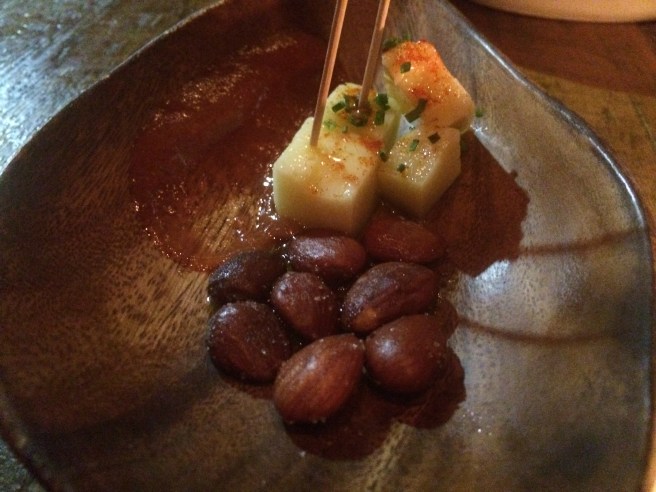
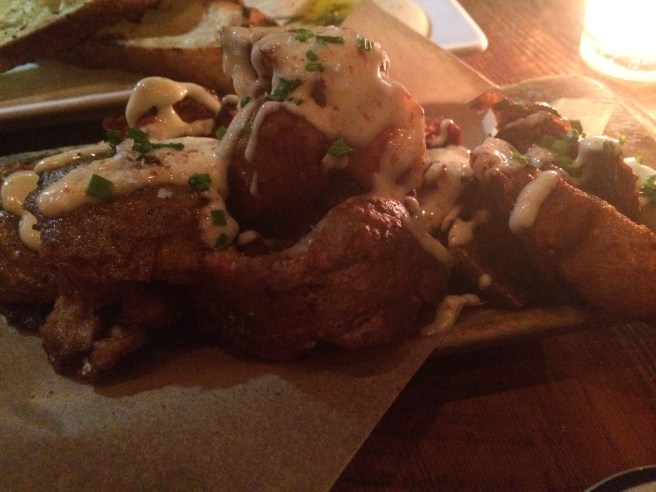
 To start off the meal, Manchego and Marconas, White Bean Puree and Papa Frita were brought to the table for us to share. Even though these dishes were automatically included in the restaurant week special, the plating was done with just as much care as the rest of the dishes of the night. Marcona almonds are a frequent guest of many cheese boards, and manchego is the quintessential Spanish cheese—a classic combo. The almonds played off the nutty flavors and the quince paste garnish highlighted the fruitiness of the cheese—it all made for a classic combination that helped whet our appetites. The papa frita dish—literally translated as fried potato—is exactly as described. A more upscale, but at the same time rustic, version of the classic Spanish dish. The perfectly seasoned potato chunks are fried until the skin gets super crisp, while still maintaining a pillowy softness in the middle. The garlic aioli helps cool down the dish—temperature-wise—and the heat of the potatoes helps bloom the garlic flavor throughout the plate. The aioli was so tasty that I’d slather it on a turkey sandwich. Mmm yum! Our waitress also brought out some housemade hot sauce made with chile de arbol, ancho chiles, and a sherry vinegar base. The hot sauce was heavily acidic and delicious. The final shared plate was the white bean puree, which was pretty special. The spread was a pretty white color and very smooth, almost hummus like in its consistency. It tasted great on the toasted bread, and had a salty background from anchovies maybe, smokiness from the pimenton (commonly known as paprika) and and earthiness from the fresh rosemary.
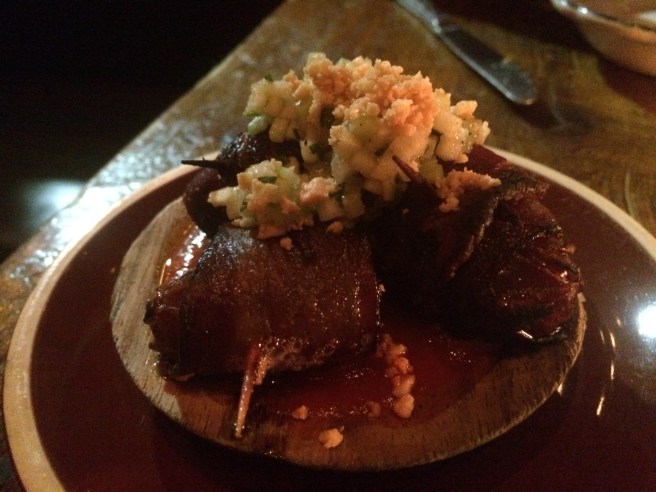 The Smoked Bacon Wrapped Medool Dates were a favorite of mine, though my friend didn’t like them as much, since she’s not a big fan of blue cheese—more for me, yay! The dates were stuffed with valdeon cheese, a tangy and pungent Spanish blue cheese, and wrapped in thick cut bacon that cooked up crispy, meaty and fatty. The bacon helped the date become sweet and syrupy without losing its structural integrity. The vinegary, acidic celery root salad was great a accompaniment to cut through the heavy, wrapped delights, and the spicy piquillo-almond sauce hidden underneath provided a a heated balance to the sweetness of the dates.
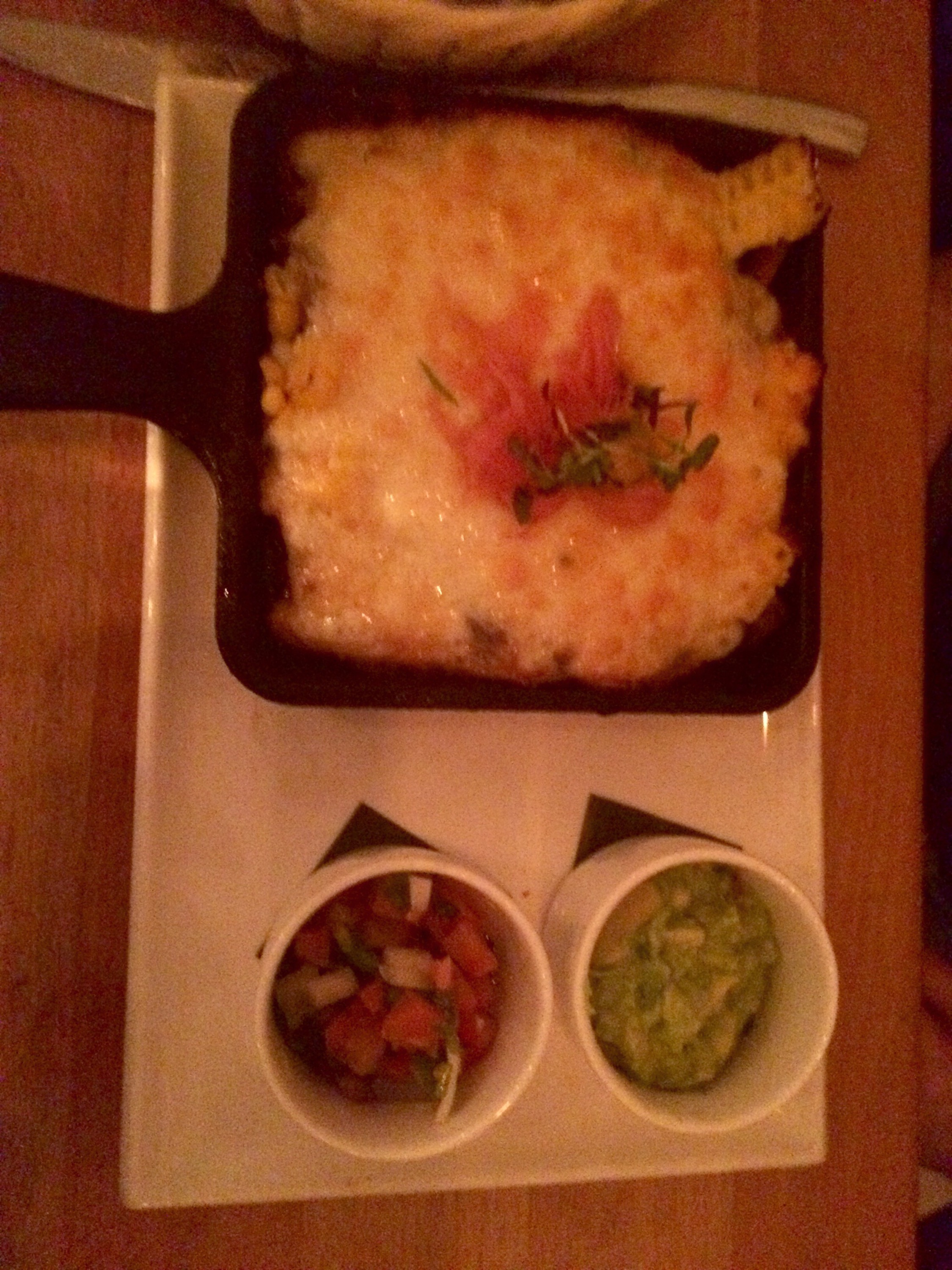
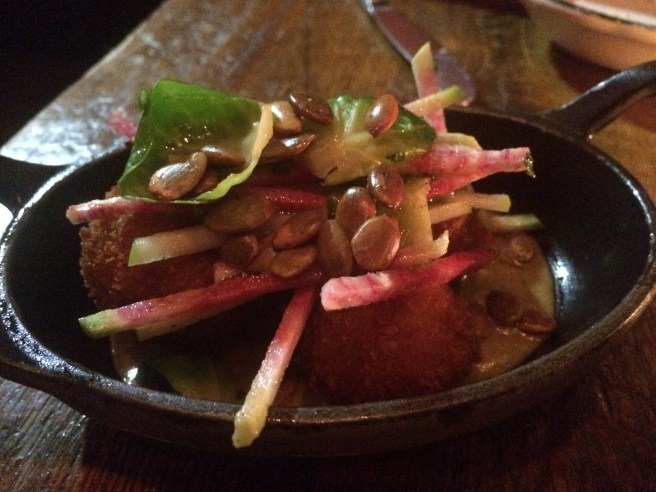 The Heirloom Pumpkin Croquetas were also great with smoky and bold flavors. The fried croquettes were crispy, spicy and cheesy—with cheese oozing out as you bit into the hot surface of the spheres. The julienned radish acted as a refreshing and peppery slaw, and the brussel sprout leaves added an additional level of crunch. The pumpkin seed puree was smooth and creamy, and the toasted pepitas (or pumpkin seeds) had a nice chew as well. This vegetarian dish definitely didn’t leave you missing the meat at all.
 Next up was the Grilled Skirt Steak, which was cooked to a perfect medium rare. and then sliced. This dish completely identified as “meat” in the best sense of the word. The hazelnut-almond romesco sauce was very earthy and rich with pieces of chopped nuts throughout. There was a surprising pop of spice from the artichoke escabeche, which added a level of tang and freshness to the plate as well. All of the components worked well to create a well composed dish—it would’ve made for some delicious fajitas actually.
 Along with the steak came the Albondigas, which were so, so tender. Almost every culture throughout the world has their own version of meatballs—the classic Italian meatball, Middle Eastern kofta, Polish pulpety, or even the classic IKEA Swedish meatball called köttbullar. Albondigas is the Spanish—both from Spain and Hispanic—contribution to the meatball milieu. Albondigas are sometimes referred to as “Grandma’s Meatballs,” and often served in a tomato-based sauce or stew. Jamonera offers up a modern twist on the traditional albondigas by stuffing the large meatballs with manchego cheese, and blending the meat with briny green olives, and smoky and salty serrano ham. They were floating in a bowl of a spicy, stew-like tomato sauce and garnished with some grilled bread for dipping. These meatballs were comforting and perfect for a cold Winter night dinner.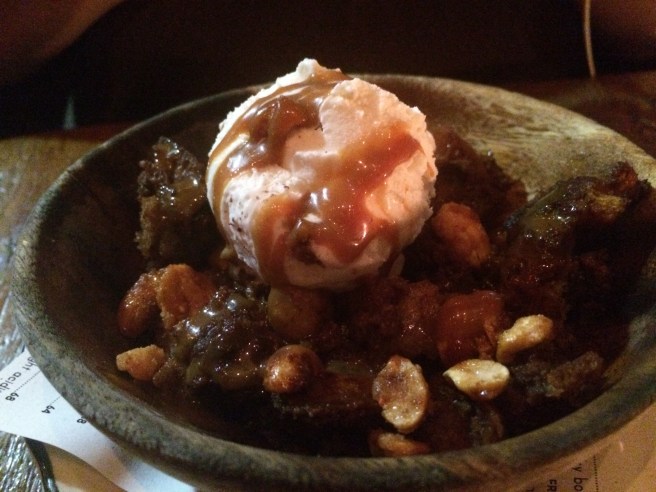
 Finally, for dessert we ordered the Warm Nocilla Bread Pudding and Calasparra Rice Pudding. Though they’re both puddings, they were very different desserts. The bread pudding was served warm—as all bread puddings should be—and reminded me of the inside of a British bun or cinnamon bun. It was slightly gooey from the Nocilla, which is Spain’s answer to the ubiquitous Nutella, and custard soaked into the bread. The accompanying ice cream was textbook perfect—creamy with a strong vanilla flavor. There was just enough of the caramel to coat the ice cream, and spiced peanuts helped cut through he rich dessert. Very comforting and delicious, though didn’t strike me as super Spanish. The rice pudding was cold and refreshing with apple pieces running throughout. The toasted coconut might not be my dining companion’s favorite flavor, but I’m a big fan of the subtly sweet coconut flavor. The pudding was sweet and creamy with a warm cinnamon flavor from the Spanish canola and the caramelization on top.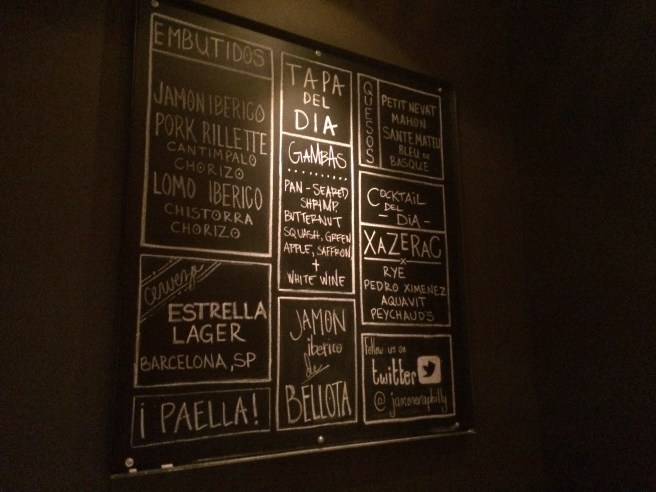
 While I might not have planned this dinner far in advance, I’m so glad that we came here for out late night meal. The food was flavorful, the portions plentiful and the service sublime. I just wish we had more time and an extra stomach to truly enjoy another long, drawn out Spanish mealtime experience.









 Jon's Moveable Feasts